Hotspot | Application Fields of Thermal Conductive Materials
Chip Applications
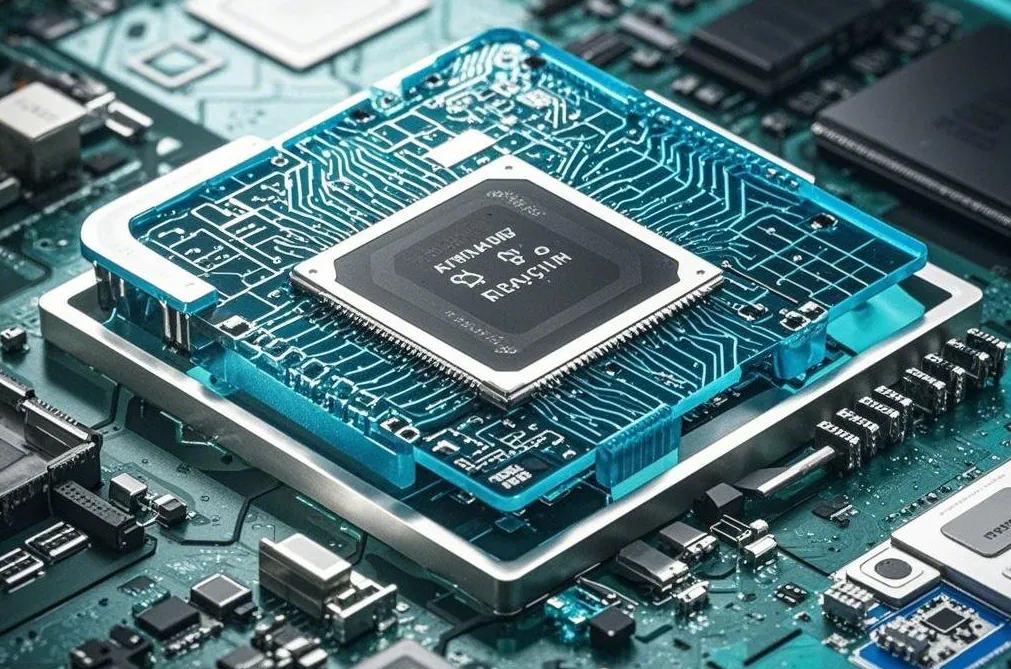
With the near-complete commercialization of 5G, the proportion of thermal conductive materials used in telecommunications and consumer electronics is expected to decrease. In the future, the application areas of thermal conductive materials will become more diversified, with increased adoption in new energy vehicles, power batteries, data centers, military industries, and other sectors.
Mobile Phone and Tablet Applications
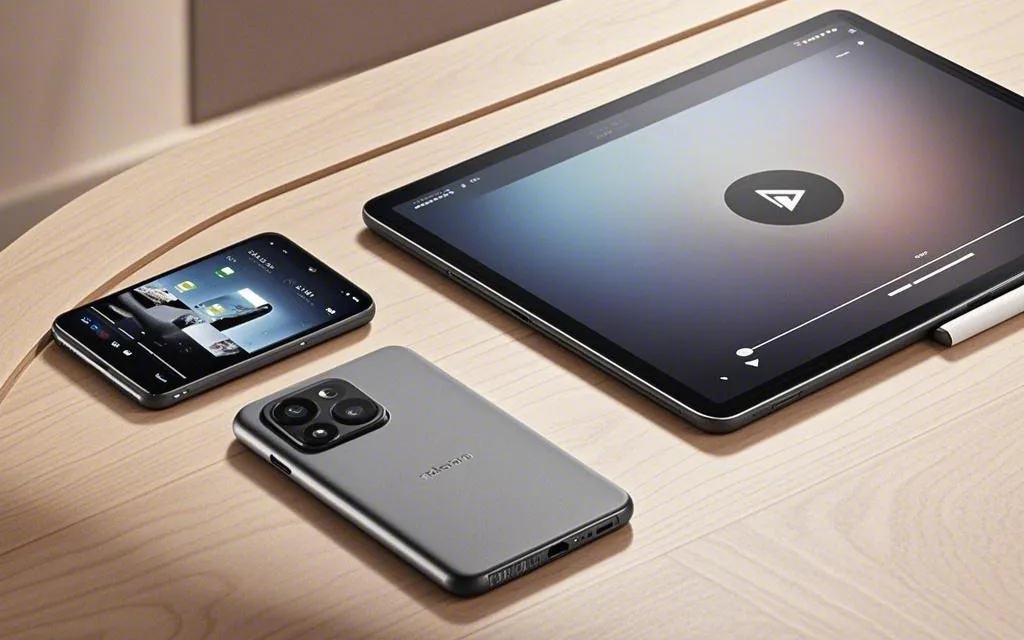
In devices such as smartphones and tablets that lack active cooling systems, graphite-based materials or combinations of vapor chambers with thermal greases or silicone sheets are commonly employed. Currently, most mainstream Android smartphones and tablets utilize vapor chambers as their primary heat dissipation components, with thermal grease filling the gaps between the vapor chamber and chip components. Apple’s mobile and tablet products, owing to their highly optimized hardware-software integration, still rely on synthetic graphite films combined with thermal grease as their external thermal conduction structure, without adopting vapor chambers in their latest models.
Server Applications
In high-energy-consuming devices requiring active cooling—such as servers, computing centers, and base stations—heat pipes paired with thermal grease remain the preferred choice for external chip thermal conduction. Given the stringent performance requirements of these devices, they are typically equipped with air-cooling or liquid-cooling modules, where the primary role of the vapor/chip heat-conducting section is to transfer heat to the cooling module, from which hot air or heated water carries the thermal energy away.

Communication Base Station Applications
5G base stations require thermal conductive materials with thermal conductivity close to 10 W/m·K, while data centers and certain base stations may demand even higher values. Under such stringent requirements, most actively cooled devices opt for heat pipes to achieve directional heat transfer, complemented by thermal grease to fill any gaps. A small number of high-end PCs and the latest-generation base stations also employ vapor chambers or phase-change metals as thermal conductive materials.
5G base stations require thermal conductive materials with thermal conductivity close to 10 W/m·K, while data centers and certain base stations may demand even higher values. Under such stringent requirements, most actively cooled devices opt for heat pipes to achieve directional heat transfer, complemented by thermal grease to fill any gaps. A small number of high-end PCs and the latest-generation base stations also employ vapor chambers or phase-change metals as thermal conductive materials.

Power Battery Applications
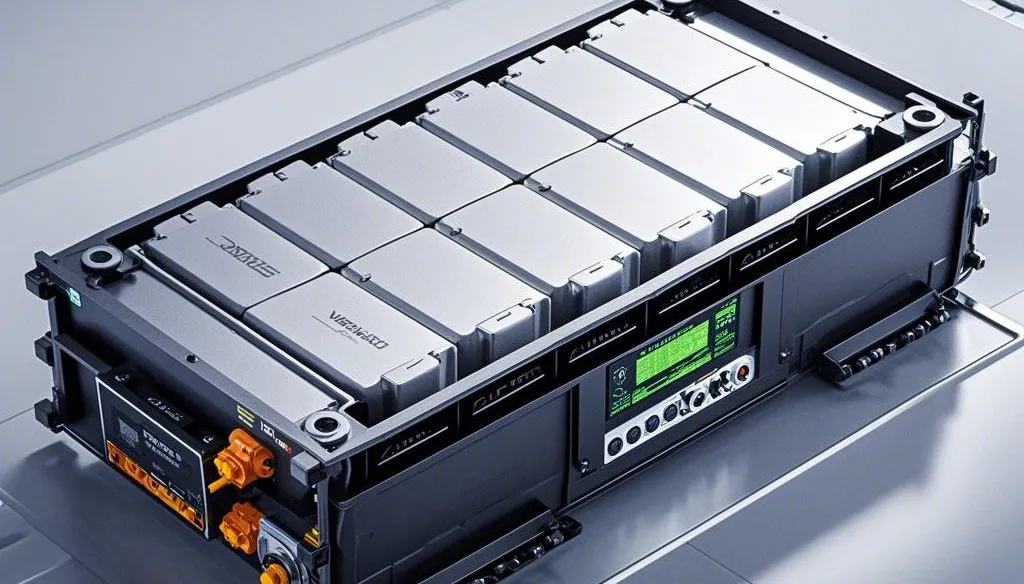
The primary thermal conductive material used in battery systems is polyurethane thermally conductive structural adhesive. In addition to meeting specific thermal conductivity requirements, the selected adhesive must also address factors such as re-bonding performance, lightweight design, cost-effectiveness, and volatility. Consequently, its thermal conductivity is typically maintained within the range of 1.2–2.0 W/m·K. Faced with large-scale adhesive demands and ongoing cost-reduction pressures, battery manufacturers cannot afford high-conductivity (>3.0 W/m·K) silicone-based products. As a result, polyurethane thermally conductive structural adhesives, which offer superior bonding strength and economic advantages, have become the preferred choice for many battery producers.
The primary thermal conductive material used in battery systems is polyurethane thermally conductive structural adhesive. In addition to meeting specific thermal conductivity requirements, the selected adhesive must also address factors such as re-bonding performance, lightweight design, cost-effectiveness, and volatility. Consequently, its thermal conductivity is typically maintained within the range of 1.2–2.0 W/m·K. Faced with large-scale adhesive demands and ongoing cost-reduction pressures, battery manufacturers cannot afford high-conductivity (>3.0 W/m·K) silicone-based products. As a result, polyurethane thermally conductive structural adhesives, which offer superior bonding strength and economic advantages, have become the preferred choice for many battery producers.